
Conflicting Models of Marriage
The Tenant of Wildfell HallThe novel contrasts marriage as possession and convenience with marriage as reciprocal moral partnership, asking what spouses owe one another when love fails.
increasing Bearing strength in each event
 decreasing
Bearing strength in each eventdecreasingAunt Maxwell’s Caution

Aunt Maxwell’s Caution
Character before charm
Mrs. Maxwell urges Helen to study a suitor’s principles before giving her affection. She treats beauty, wit, and flattery as unreliable foundations for a lifelong commitment.
Helen’s confidence
Helen agrees with the principle but believes she can recognize goodness in Arthur Huntingdon. The conflict between sound advice and romantic confidence sets up the marriage’s later crisis.
Marriage as Possession
Marriage as Possession
A husband’s expectations
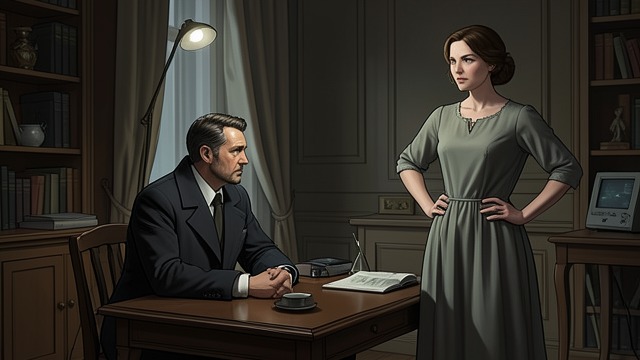
Arthur Huntingdon expects Helen to wait upon him, amuse him, and accommodate his absences. He resents her independent interests when they compete with his claim on her attention.
Affection without equality
His devotion is intense when she is available, but it does not become shared responsibility. Helen’s desire for friendship and mutual respect exposes the limits of his idea of marriage.
The Vows Betrayed

The Vows Betrayed
Infidelity as sport
Arthur Huntingdon pursues Annabella Lowborough while treating both his wife’s trust and Lord Lowborough’s feelings as matters for amusement. His conduct makes marital vows seem disposable to him.
A breach with consequences
Helen refuses to pretend that affection remains intact after the affair. Lord Lowborough is also devastated, revealing that adultery injures more than a couple’s public standing.
Two Households, Two Lessons
Two Households, Two Lessons
Harmful authority
At Grassdale, Arthur Huntingdon uses his authority to control money, undermine Helen’s parenting, and block her departure. His power protects his habits rather than the family.
Moral partnership imagined
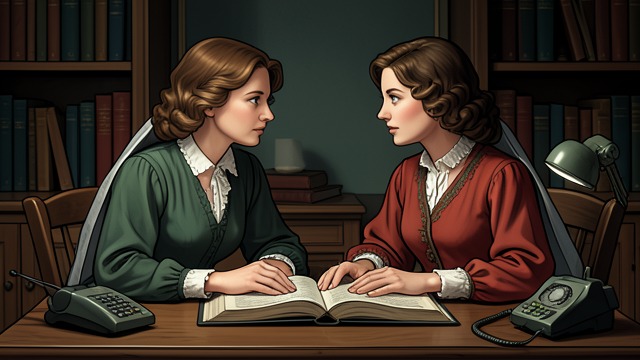
Helen’s friendship with Milicent allows the women to discuss honesty and marital duty without disguising their husbands’ faults. Their conversations present partnership as mutual responsibility, not a wife’s obedience alone.
A Freer Union
A Freer Union
Choice restored
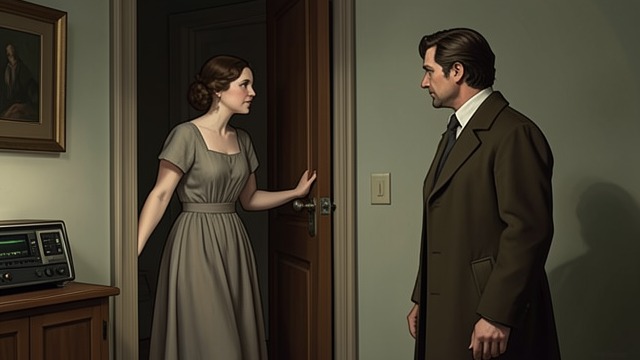
Helen’s final relationship with Gilbert begins when she has greater economic and emotional freedom. He must acknowledge her wishes rather than assume his desire can decide their future.
Reciprocity as the test
Their marriage is presented as a partnership in which affection, respect, and care can coexist. The contrast with Grassdale turns marital happiness into a moral question as well as a romantic resolution.
Before Helen meets Arthur Huntingdon
The first years at Grassdale
Autumn 1824
1824–1828
After Helen returns to Staningley
